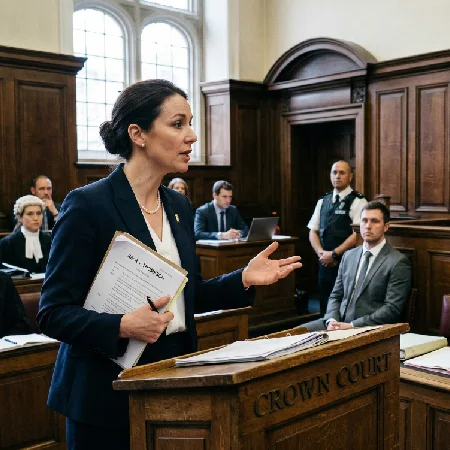
How to Use Debt Collection Without Damaging Client Relationships

80 years of debt recovery experience

%

RECOVERY RATE

Ethical Debt Recovery That Protects Trust and Reputation

Engaging a debt collection agency can feel like a difficult decision for many organisations. Whether you run a private school, medical practice, childcare centre or professional services firm, there is often concern that recovering overdue accounts may damage important client or family relationships.

The reality is that professional debt collection, when handled correctly, can actually protect relationships rather than harm them. The key lies in using a structured, ethical and respectful approach.

At George Laurens, we have supported Australian organisations with debt recovery services since 1933, helping businesses recover outstanding accounts while maintaining trust, professionalism and long-term relationships.

Why Client Relationships Break Down During Debt Collection

In most cases, relationship issues do not arise from debt collection itself, but from how overdue accounts are managed before external support is engaged.

Common challenges include:

  • Inconsistent or delayed follow-up on overdue invoices
  • Internal staff feeling uncomfortable chasing payments
  • Lack of clear communication around payment expectations
  • Accounts becoming aged before action is taken
  • Informal arrangements that are not documented

Over time, these issues can create frustration for both the organisation and the client, making resolution more difficult.

school fee debt collection agency

How Debt Collection Can Actually Protect Relationships

When a professional debt recovery agency is engaged early and appropriately, it removes personal pressure from your staff and introduces a neutral, structured process.

This helps to:

  • Separate service delivery from financial discussions
  • Maintain a professional boundary with clients or families
  • Ensure consistent and respectful communication
  • Reduce emotional tension within the relationship
  • Provide clear and fair resolution pathways

In many cases, clients respond more positively to structured external communication than repeated informal follow-ups.

medical debt collection brisbane

The Importance of an Ethical Approach

Not all debt collection methods are the same. The difference between protecting or damaging relationships comes down to the approach used.

Ethical debt recovery focuses on:

  • Respectful and professional communication
  • Compliance with Australian debt collection regulations
  • Fair treatment of all parties
  • Transparent processes and expectations
  • Resolution rather than pressure or confrontation

This is especially important in relationship-driven sectors such as education, healthcare, childcare and professional services, where reputation is critical.

When to Involve a Debt Collection Agency

Timing plays a significant role in both recovery success and relationship protection.

It is generally best to engage a professional debt collector when:

  • Internal reminders have not been successful
  • Accounts are becoming aged or overdue
  • Communication has broken down
  • Internal teams are unable to progress payment
  • The organisation requires a more structured approach

Early intervention often leads to better outcomes and reduces the likelihood of escalation.

George Laurens Approach to Relationship-Friendly Debt Recovery

With over 80 years of experience in Australian debt recovery, George Laurens specialises in ethical and structured collection services that prioritise both financial outcomes and relationship preservation.

We work with:

Our approach is built on professionalism, discretion and respect, ensuring that every interaction reflects positively on your organisation.

medical fee debt recovery

Final Thoughts

Debt collection does not need to damage client relationships. In fact, when managed correctly, it can provide clarity, structure and resolution that benefits both parties.

The key is choosing a professional partner who understands your industry, values relationships, and applies an ethical, compliant approach to every case.

The Year-End School Fee Checklist

  1. Run an aged debtors report. Group overdue accounts by age (30, 60, 90 and 90+ days) and flag any balances carried over from previous years. Older debts need attention first.
  2. Check each account against your fee policy. Confirm that concessions, remissions and sibling discounts have been applied correctly. A surprising number of "overdue" balances turn out to be billing errors.
  3. Look for support families may be missing. Some families are eligible for help they have not claimed, such as the Victorian Camps, Sports and Excursions Fund (CSEF) or your school's own hardship and concession arrangements.
  4. Update contact details now. Confirm phone numbers, emails and postal addresses before the summer break, while families are still in regular contact with the school.
  5. Make a personal call before sending a formal letter. A friendly call from the business manager often resolves an account quickly and shows the family the school wants to help.
  6. Offer a written payment plan. A realistic direct debit arrangement spread across 2027 is often better for everyone than a single large demand. Put the terms in writing.
  7. Follow your re-enrolment policy consistently. Many Victorian Catholic and Lutheran schools do not exclude students because of fee debt. Whatever your policy says, apply it the same way for every family.
  8. Keep a record of every contact. Note dates, conversations and agreements. Good records protect the school and are essential if a matter ever needs to be escalated.
  9. Set a clear referral date. Decide now when unresolved accounts will be handed to a collection agency, for example the end of January, and tell families what to expect.
  10. Know your escalation path. In Victoria, unpaid debts are generally pursued through the Magistrates' Court, and most contract debts become statute-barred after six years. Take advice before any legal step, and make sure every action follows the ACCC and ASIC debt collection guideline and Australian privacy law.

A Note for Catholic and Lutheran Schools

Faith-based schools face an extra layer of care when it comes to fee recovery. Many Victorian Catholic schools, whether part of Melbourne Archdiocese Catholic Schools (MACS) or the Dioceses of Sandhurst, Sale or Ballarat, manage their own fee collection within a diocesan fee policy. Those policies typically expect overdue accounts to be followed up sensitively and confidentially, often with approval from the principal or diocese before a matter goes to an agency or to court.

Lutheran schools in Victoria share similar values. Their communities are close-knit, and the way a school handles one family's debt is noticed by many others.

For both, the year-end review is a chance to make sure your process is consistent with your policy and your mission:

  • Check which approvals your policy requires before referral or legal action, and who gives them.
  • Make sure pastoral conversations happen before formal letters, not after.
  • Choose a collection partner whose communication you would be comfortable having families read aloud at a school council meeting.

When to Bring in a Specialist

Some accounts will not resolve, however carefully your team works through the checklist. It is usually time to get help when:

  • A family has stopped responding to calls, emails and letters
  • An agreed payment plan has been broken more than once
  • Balances are more than 90 days overdue or carried over from a previous year
  • Your business office simply does not have the time to follow up consistently

A specialist education collector takes the difficult conversations off your staff, keeps the tone respectful and works within your fee policy. George Laurens provides school fee debt collection for Melbourne schools and across regional Victoria, with no upfront fees and a relationship-first approach that has guided us since 1933.

debt collection agency melbourne

Transparency You Can Trust

Debt Recovery FAQ's

When should a Victorian school refer overdue fees to a collection agency?

Once internal follow-up has run its course, usually when an account is more than 90 days overdue or a family has stopped responding. Setting a clear referral date in Term 4 helps families understand what to expect.

Will using a debt collector damage our relationship with families?

Not if the agency shares your values. A specialist school fee collector uses respectful, discreet communication and offers fair repayment options, so most accounts are resolved without conflict.

Can we recover fees from families who have left the school?

Yes. Fees owed by families who have left are often the hardest for a school to chase, and they are a common reason schools engage a specialist.

school fee collection services

Talk to Us About Your Overdue Accounts

If your year-end review has turned up accounts your team cannot resolve, we can help. Learn more about our school fee debt collection service in Melbourne, or see how we support schools nationally through our school fee debt recovery service.

Protecting Relationships. Recovering Debt.

Supporting Businesses Across Key Industries

While we are highly experienced in school fee debt recovery, George Laurens also supports a wide range of industries Australia wide, including:

childcare debt collection

Schools and education providers

childcare debt collection

Childcare centres and early learning providers

medical debt recovery services

Medical practices and healthcare providers

debt recovery for solicitors

Solicitors and legal firms

debt recovery for accountants

Accountants and financial professionals

debt recovery for funeral homes

Funeral homes and sensitive service providers

school fee debt collection agency

Speak With a Debt Recovery Specialist

If your school or organisation is dealing with overdue accounts or increasing aged debt, George Laurens can help you implement a structured and professional recovery solution.

Contact our team today to discuss how we can support your organisation.